

What Is Cloud Disaster Recovery, and Do You Already Have It?
Cloud disaster recovery means being able to bring your systems and data back from a cloud-based copy after an outage, a cyber attack or a hardware failure, so the business keeps trading. The simplest way to find out whether you have it is to ask when someone last restored from your backups, and how long that took. If the answer is a shrug, you likely have backups but not much in the way of recovery.
Plenty of businesses treat the two as one thing. They aren’t, and the gap between them is where most of the pain happens.
Backup Is a Copy, Recovery Is a Plan
A backup is your data, copied and stored somewhere else. That’s the easy part, and most businesses do it.
Recovery covers everything that has to happen around that copy. Which systems come back first? How quickly? Who decides the order when everyone’s shouting? And how do you confirm the restored environment works before staff start using it? You can have years of clean backups and still be offline for days, simply because nobody planned how to rebuild the servers those backups are meant to run on.
Most businesses find this out mid-incident, which is about the worst time to be learning it.
Two Numbers Worth Setting Before Anything Goes Wrong
Every recovery plan hangs off two figures, and many decision-makers have never been asked to choose either.
The first is your recovery time objective, or RTO: how long the business can be down before the damage turns serious. The second is your recovery point objective, or RPO, which is about data. How much recent work can you afford to lose? If your last good backup ran overnight and things fail at 4pm, you’ve lost a full working day of transactions.
These are business calls more than technical ones. The people who know what an hour of downtime costs should be the ones setting them, and the technical design follows from there. Skip that step and recovery gets built to whatever the default happens to be.
Signs Your Coverage May Be Thinner Than You Think
A few quiet warning signs tend to show up first:
- Backups run automatically, but nobody checks they’re actually completing
- The last full restore test was ages ago, or never happened
- Backups live in the same environment as production, so one incident could take out both
- Nobody can say which systems get restored first, or who makes that call
- The recovery documentation was written once and hasn’t kept pace with your systems
If two or more of those sound familiar, it’s worth acting before something forces the issue.
What the Cloud Changes
Traditional recovery meant a second physical site, spare hardware sitting idle, and a budget that only larger organisations could justify. Cloud shifts that. You can keep a recovery environment ready without paying full price for it to sit unused, then bring it up when needed.
That’s why cloud disaster recovery and backup is now realistic for mid-sized businesses that could never have funded a second data centre. Recovery can also be quicker, since the target environment already exists as templates and configurations rather than boxes waiting to be racked and cabled.
There’s still design work involved, though. Someone has to decide what gets replicated, how often, and where it lands, and that doesn’t happen by itself.
Where AWS and Azure Fit In
Both major platforms have mature recovery tooling. AWS offers replication and failover across multiple Availability Zones and regions, which suits businesses wanting flexibility in how they structure resilience. Microsoft Azure has strong native options for organisations already running Windows Server and Microsoft workloads, because recovery can plug straight into the environment they already operate.
Neither is automatically the right answer. What matters is what you run today, where your data has to sit for compliance reasons, and what your team already knows how to operate. A recovery tool nobody on your team understands is a risk in its own right.
Security and Recovery Are the Same Conversation
Ransomware has changed the picture. Attackers who get into an environment often go after the backups first, because they know that’s your way out.
So the recovery copy needs as much protection as the original data. Keep it isolated from everyday production access, make it hard to delete, and test it on a schedule. This is where cloud security solutions and recovery planning overlap. If the same compromised credentials can encrypt or wipe your backups, they aren’t much of a safety net.
Getting the Foundations Right
Good recovery starts with knowing what you actually run. Businesses often discover during a recovery exercise that some older system nobody remembered was quietly holding something critical.
Begin with an inventory of your systems, ranked by how badly the business suffers if each one goes down. That ranking shapes everything else: what needs near-instant failover, what can wait a few hours, and what can be rebuilt from backup over a day or two.
It helps to work with a provider that handles cloud infrastructure services alongside recovery planning, since the same team that understands your environment can design how it gets restored. And if you’re on the Gold Coast, having Cloud Solutions Gold Coast support close by means someone who knows local business conditions and can pick up the phone when it counts.
Recovery also shouldn’t be a one-off project. It belongs inside your wider cloud implementation strategy and needs revisiting whenever your systems change.
A Few Questions Worth Asking
Is cloud backup the same as disaster recovery?
Not quite. Backup keeps copies of your data, while disaster recovery is the plan and tooling for getting systems running again using that data. You need both, and having only backup leaves a gap.
How often should we test our recovery plan?
Often enough that the results reflect today’s environment, not the one you had two years ago.
How much does cloud disaster recovery cost?
It varies a lot, depending on how much you replicate and how fast you need to be back up. As a general rule, faster recovery costs more, which is why setting RTO and RPO first is worth the effort.
Where to Go From Here
If you’re unsure whether your current setup would hold up in a real incident, it’s better to find out now than during one. Get in touch with the Pansoft team for a straightforward chat about where your recovery stands today and what would strengthen it.

Related Posts
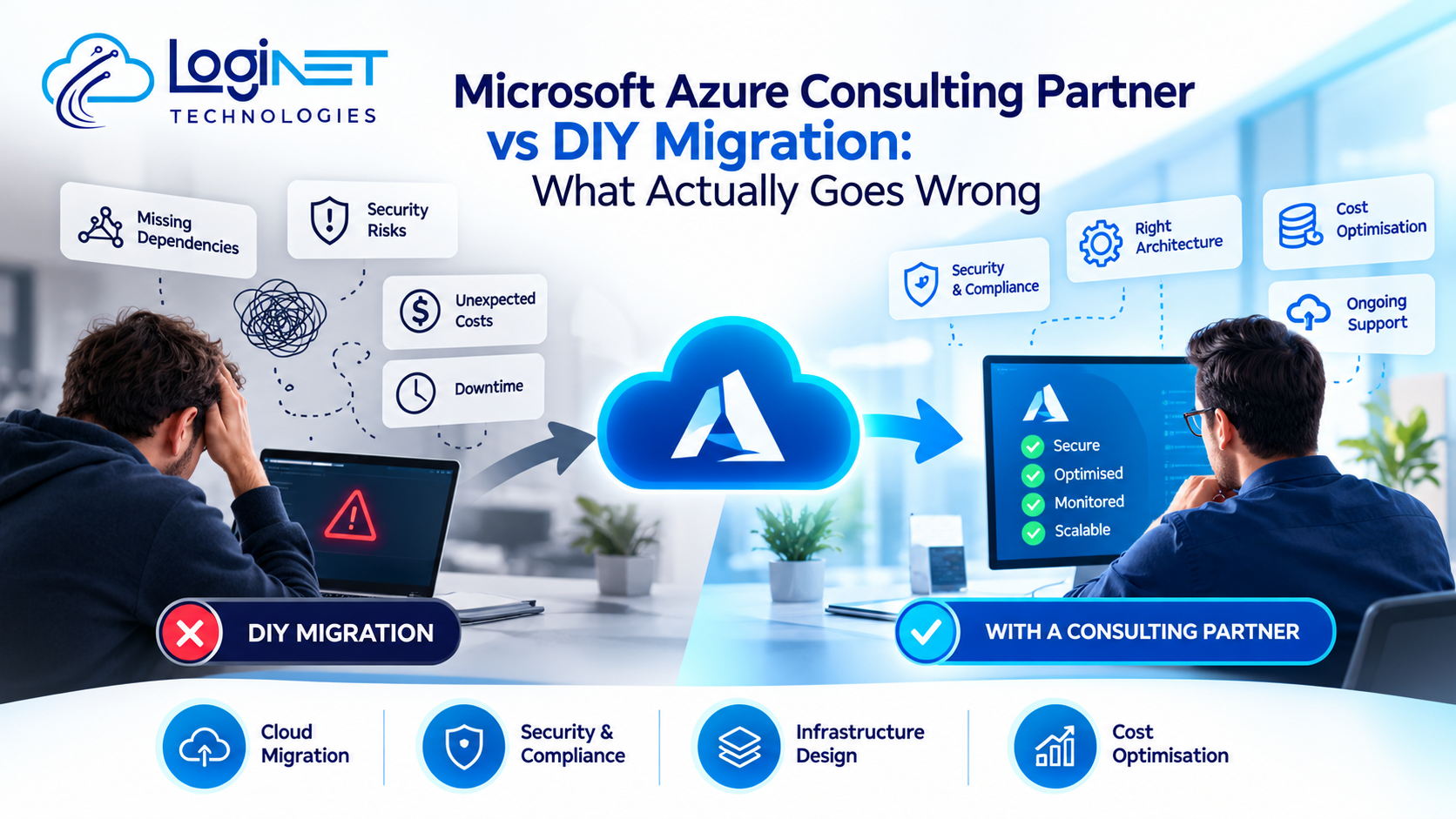
Microsoft Azure Consulting Partner vs DIY Migration: What Actually Goes Wrong
Microsoft Azure Consulting Partner vs DIY Migration: What Actually Goes Wrong Here’s the plain version: a DIY migration tends to run fine right up until…
Read More
What Is a Common Azure Customer Cloud Migration Strategy?
What Is a Common Azure Customer Cloud Migration Strategy? Most Azure customers end up following some version of Microsoft’s own Cloud Adoption Framework, even if…
Read More